How could it work better?
We have a small “occupational hazard”: whatever we look at, we wonder how it could work better.
We notice the things most of us have learned to walk past. What doesn’t work the way it should. What shuts people out for no good reason. What could be different with a little more thought, knowledge or care.
That’s usually where the questions start.
Why is it like this? Who knows it best? What has been tried elsewhere? And — our favourite — why not another way?
We don’t have all the answers. We do have curiosity, experience, ideas and a fairly stubborn habit of finding the people who can help us work them out.
And when something is worth trying, we’d rather it didn’t stay in theory for long.
01Who we are
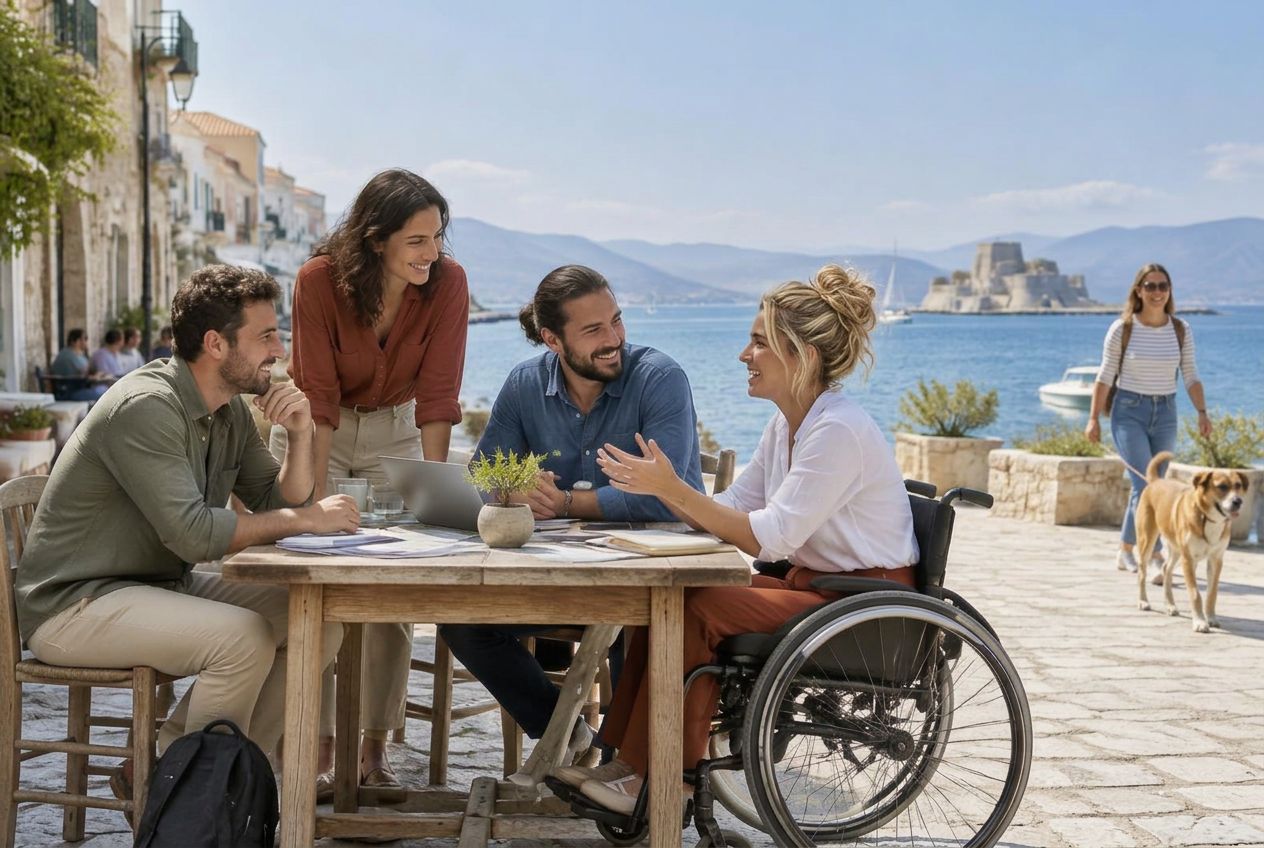
iCanotita began with the world as we live it.
With disability — which teaches you very quickly what an obstacle is, and above all what it takes to get past one.
With nature, which we love not as an idea but as part of our lives. Getting closer to it, getting to know it, exploring it and, as far as we can, looking after it.
And with animals, who were always there. Close by or far away, at home, in our everyday lives, in our stories — and, as you might expect, they found their place in iCanotita too.
So we didn’t have to look far to know what matters to us. We already knew.
Accessibility and disability inclusion, the environment and animal welfare are not three topics we picked. They are three parts of the world we know, love and want to look after a little better.
And there is one more thing that matters to us.
Inclusion doesn’t end at access. Being able to get in, move around or use a service is essential — but it is only the beginning. What matters to us is being able to be there, where life happens, and to take part in whatever you choose.
To explore. To create. To contribute. To discover. To care. To share experiences. To take part, without the world around you having decided in advance how far you can go.
Because access isn’t the destination. It’s what lets you get there.
Meet iCanotitaWhat if…?
What if…?
One street, five spots, five what-ifs. Pick a spot and watch the street change.

The five interventions
0 of 5This is the street today. Start with the first spot, or pick whichever catches your eye.
02What we do
We have a small problem with “that’s just the way things are”.Maybe because easy answers were never our strong point.And when the answer is “it can’t be done”… we have a few more questions.
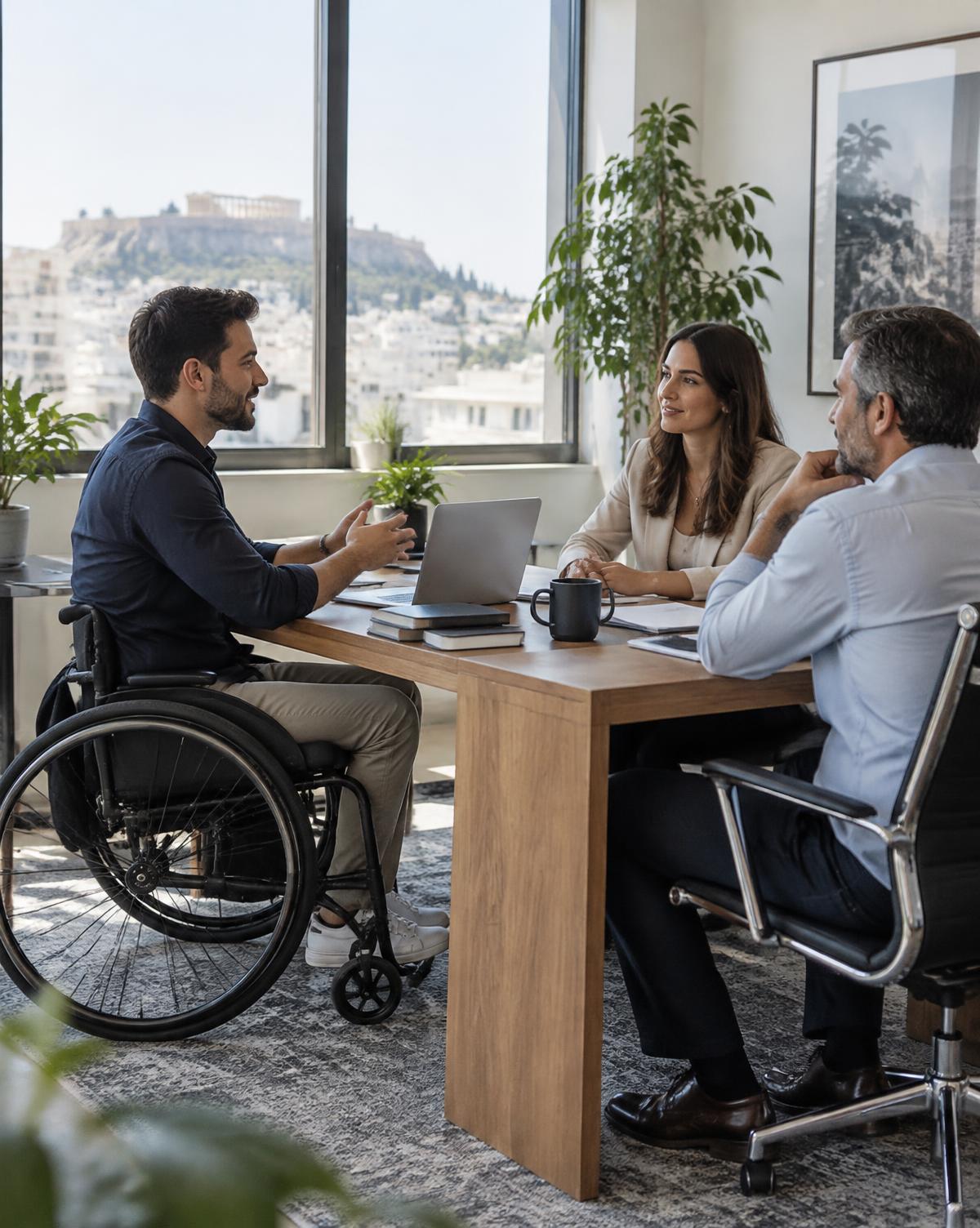
We have quite a lot to say about accessibility. We’ve had plenty of time to think about it, after all — mostly while looking for a ramp.
Lived experience has taught us to spot barriers easily. But iCanotita wasn’t created just to point them out. What interests us is the change that can follow.
That might mean stepping in quickly on an everyday problem. It might mean dialogue, partnership and pushing for a real solution. Or it might mean something more ambitious: being part of the conversation before the next barrier is designed.
Because good design doesn’t just fix what didn’t work. It makes sure there is nothing to fix in the first place.
This is where the next generation matters too. For us, educating children is another form of prevention: not an “awareness” lesson, but a different way of seeing public space and living alongside each other. From why we don’t park in front of a ramp to why accessibility concerns everyone who shares a space — that is where tomorrow’s citizens learn not only their own rights, but how to protect other people’s.
We care about the barriers that can be removed today. We care even more about preventing tomorrow’s.
Because at heart, accessibility is about something much bigger: the freedom to choose how you live, take part and move through the world.
Explore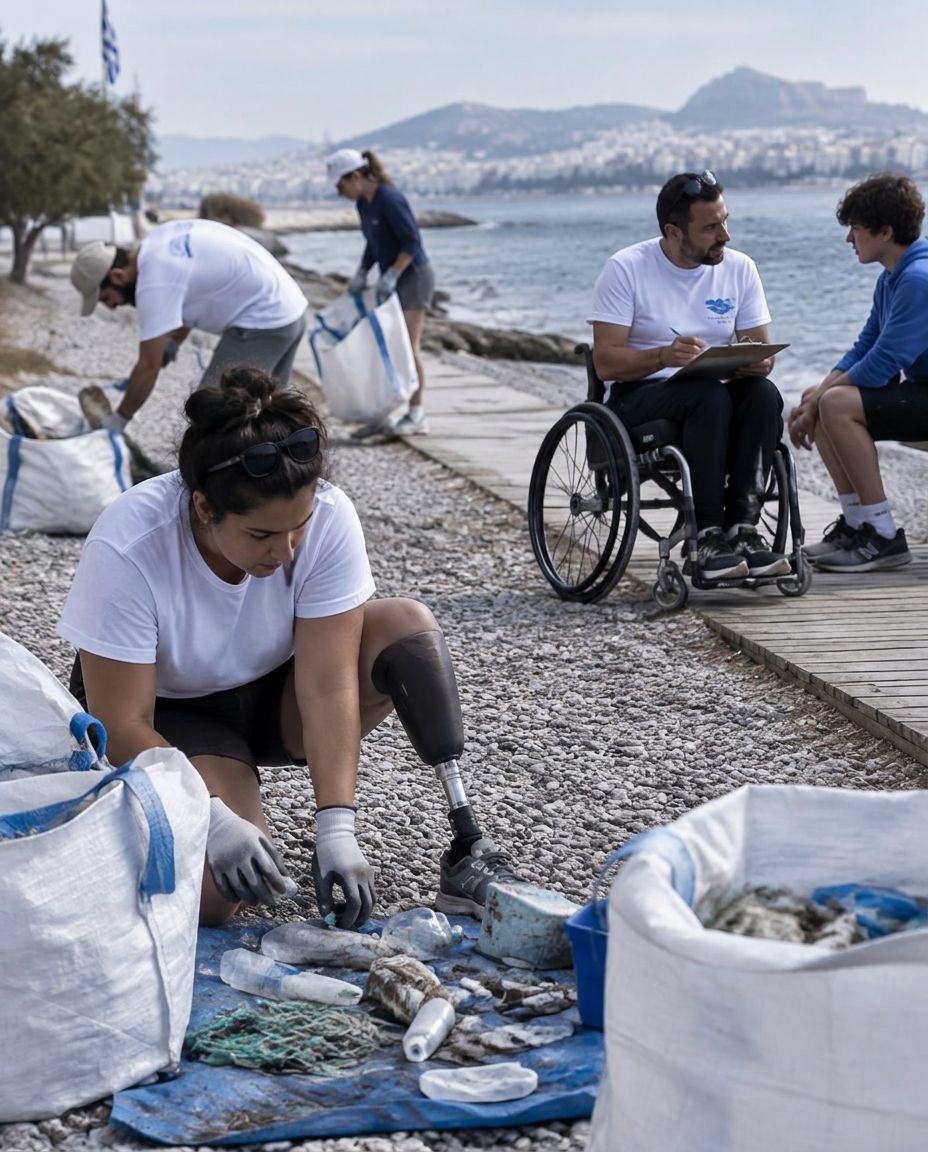
Some things are worth changing. Others are worth protecting, above all.
The natural environment clearly belongs to the second kind. We want to know it, enjoy it and look after it — and we want iCanotita to play an active part in that care.
Through our own initiatives, and alongside people and organisations already doing important work, we want to be present wherever something deserves to be protected, cared for or restored.
Sometimes that may mean a small local action, sometimes a larger partnership. Clean-ups, restoring natural spaces, information, prevention, environmental education — not as scattered “green” activities, but as different ways of serving the same idea: leaving a place better than we found it.
There is one challenge that interests us in particular:
How do we design a more accessible world without meeting one need at the expense of another?
This is where green accessibility begins for us.
In nature, it means finding ways for more people to reach beaches, trails and landscapes, with interventions that respect their character and balance. In cities, it means pursuing better access without treating green space as the price to be paid for it.
We don’t want to choose between accessibility and protecting the environment. The interesting part is finding ways for them to coexist.
Explore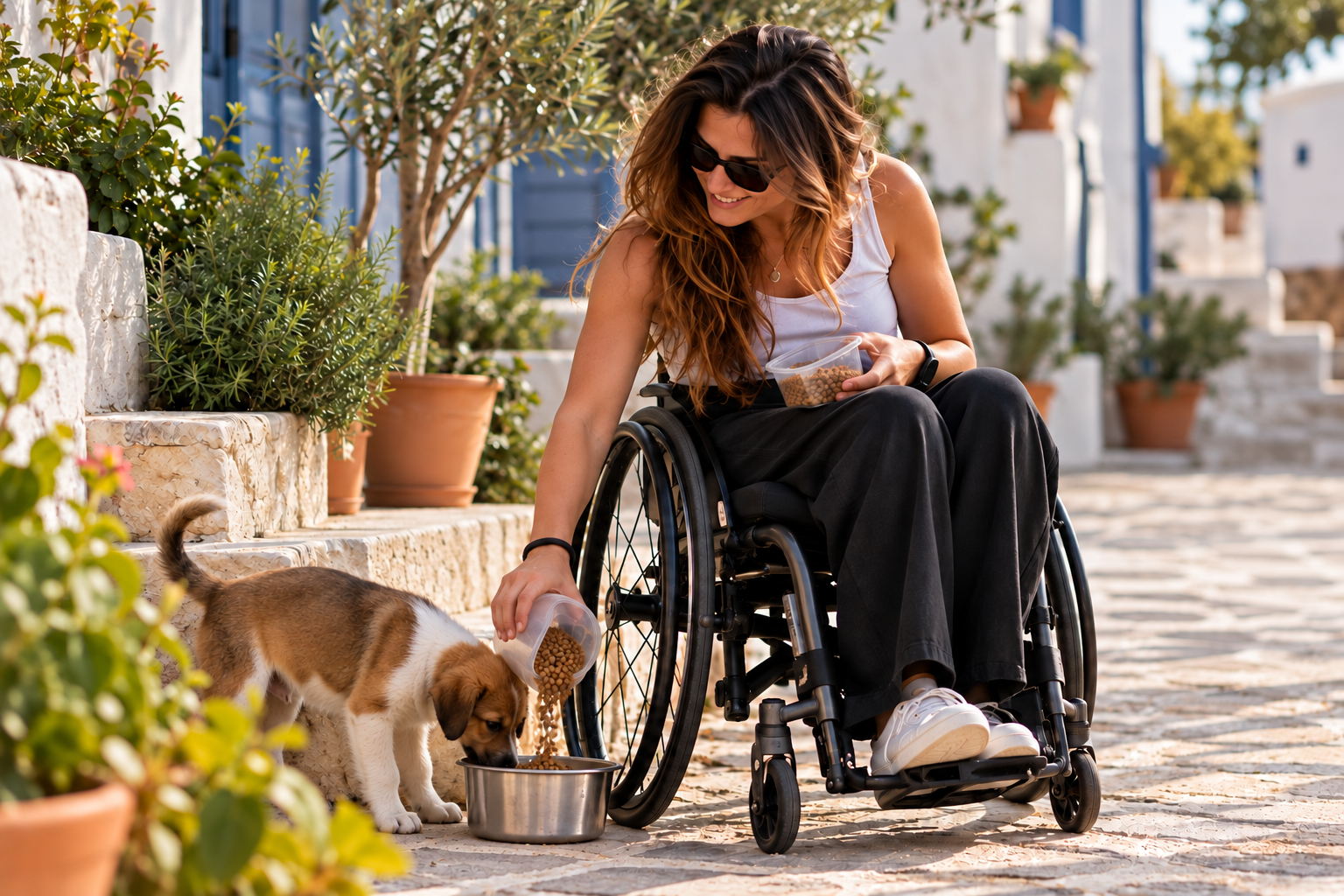
Animals had a place in our lives long before they had one in iCanotita. So there was never really a chance they’d be left out.
We love them. The ones who share our homes and everyday lives, the ones we meet in our cities and neighbourhoods, and the ones who live far from us, in their natural habitats. We want there to be room, care and respect for all of them.
That’s why we want iCanotita to be present here too. To create its own actions, support efforts that deserve it and work with people and organisations who know more than we do — because love is a very good starting point, but proper care also takes knowledge.
We care about protecting animals, responsible care, living well alongside them, prevention and information, and protecting wildlife. And we are especially interested in the small and larger interventions that can make a real difference to their lives.
We can’t help every animal. Together, though, we can make the world better for many more of them.
Explore
03Right now at iCanotita
Sometimes change comes quickly. Sometimes it takes more work. And sometimes it all starts with a good question.
- ACCESSIBILITY
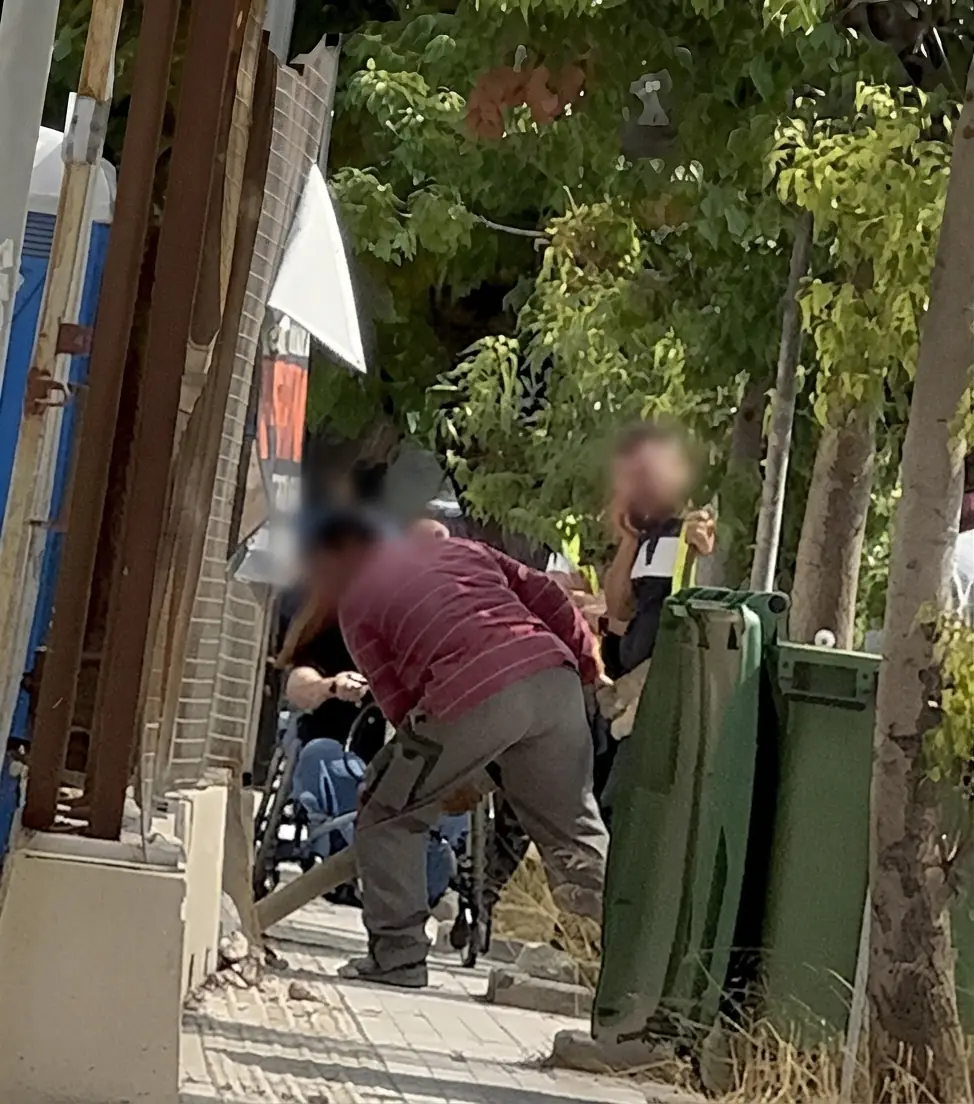
So, can everyone get through?
A large part of a pavement had been taken over for works, sharply narrowing the space to pass and making it especially hard to get through in a wheelchair. We reported it — and the obstruction was removed.
- ACCESSIBILITY
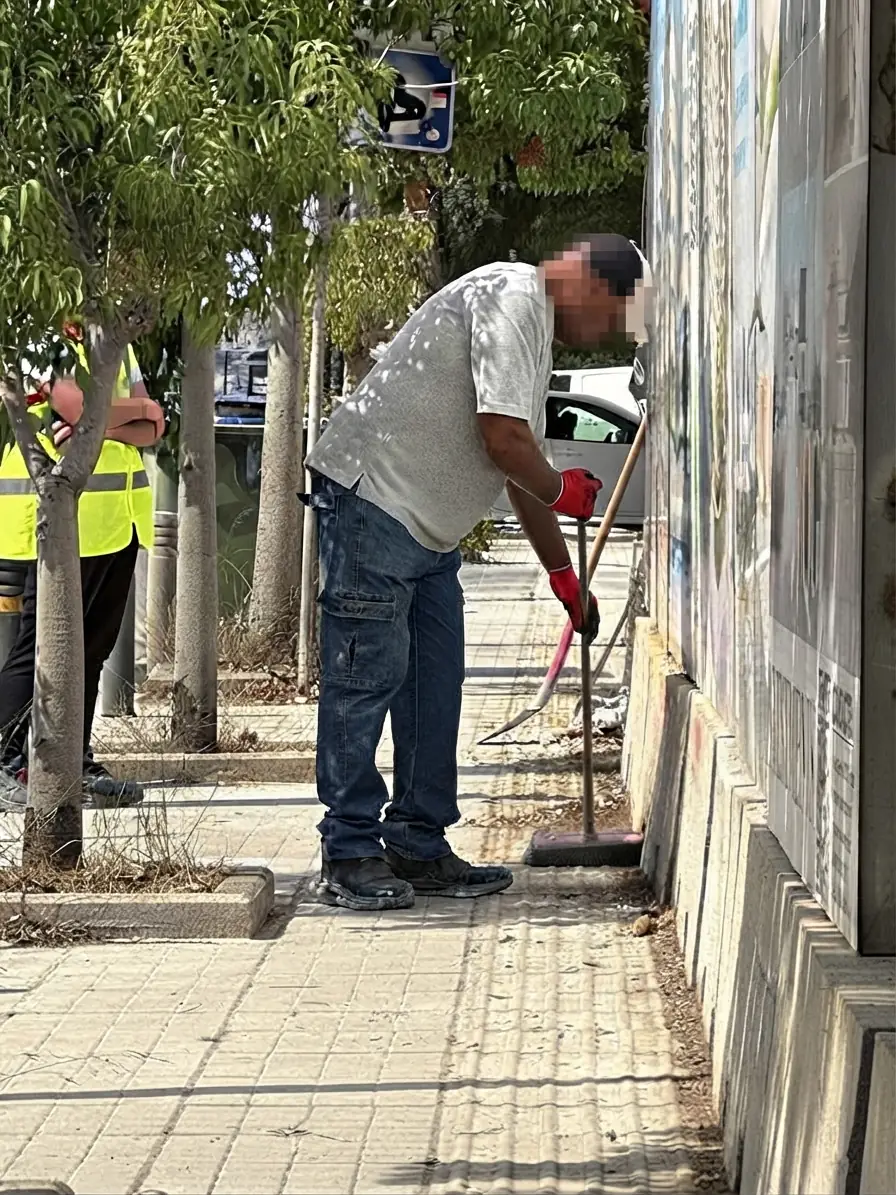
The guide path was there. Somewhere under the rubble.
A tactile guide path for blind people had been buried under rubble, soil and piled-up rubbish, so it could no longer do its job. We reported it to the authorities and the area was cleared.
Accessibility infrastructure isn’t enough just because it exists. People have to be able to use it.
- ENVIRONMENT
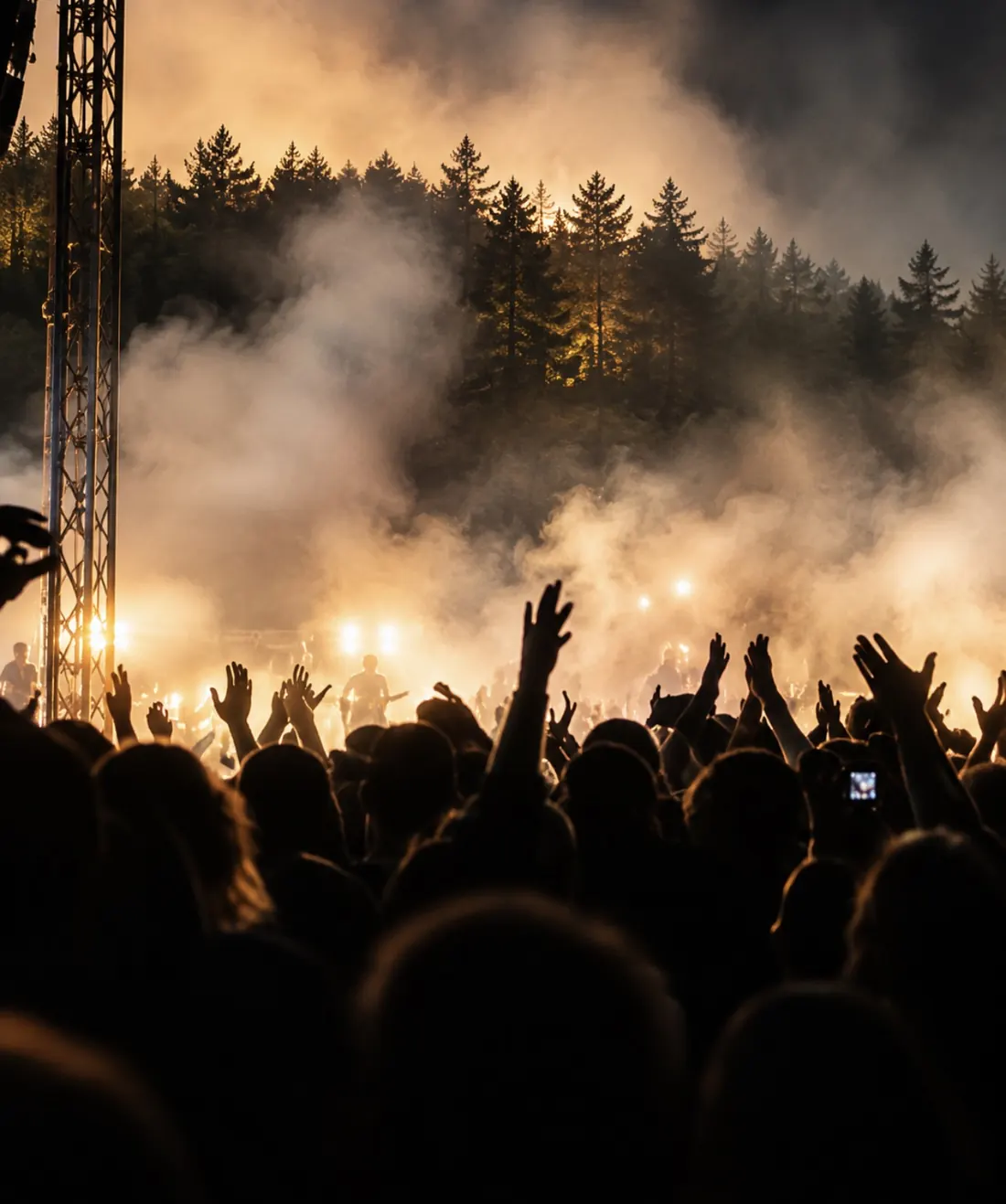
A concert. A Natura site. And a few questions worth asking.
A concert inside a protected Natura 2000 site, during the wildfire season, was a good reason to want to know more.
We visited the site and found points that, under those conditions, could only raise reasonable questions about the risk.
We then looked into the framework around the event and contacted the responsible authorities, putting specific questions to them.
04An iCanotita initiative
AbleNomads
Accessibility doesn’t stop where the pavement ends.
We are used to talking about accessibility mainly in big cities. In buildings, transport, services and public space. All of it essential. But the world is much bigger than that: it has villages and islands, small towns and remote areas, mountains and beaches, countryside and wild landscapes. Places you might want to visit — or that might simply be home.
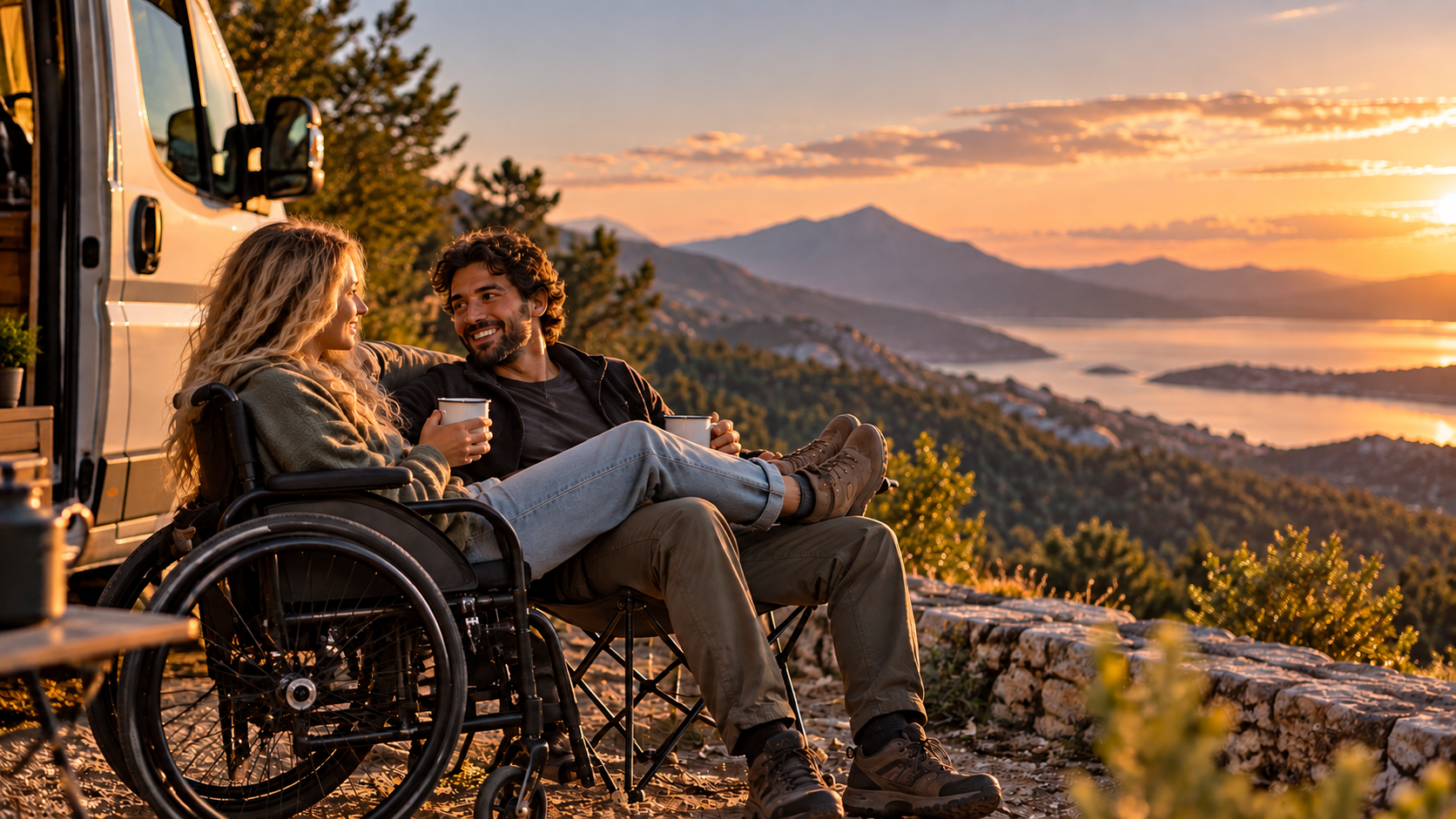
That’s where AbleNomads begins.
With the idea that accessibility shouldn’t be a privilege of big cities, but should have a place everywhere — whether you want to discover somewhere for the first time or it’s the place where you have lived all your life.
And with the idea that better access can do something more: open a place up to people who, literally or figuratively, were left outside it. Create new possibilities for the people who live there, and new reasons to visit for those who couldn’t until now.
It doesn’t mean every place can be made accessible in the same way. It means it’s worth asking what could change — and how it could change well.
That’s why AbleNomads wants to work with local bodies, businesses and people who really know their place. To spot possibilities, connect knowledge and experience, and look for solutions that make sense both for the people who live there and for those who want to get there.
And, between us, the most beautiful places aren’t always the easiest to reach.
About AbleNomads05iCan Lab
There are a few ideas on the table. And some under it.
iCan Lab is where iCanotita’s ideas start to take shape. And, admittedly, it’s already a little crowded.
This is where what we have learned, what we have lived and what we have seen work elsewhere meet — along with everything we don’t yet know enough about. Because a good idea needs more than enthusiasm. It needs research, different kinds of knowledge and, very often, people who know something better than we do.
So we look. We ask. We connect people and fields that may have had no obvious reason to sit at the same table. We look at what has already been tried, what can be adapted, what needs to be designed from scratch — and what is, in the end, worth taking from idea to action.
- 01NOTICE
- 02QUESTION
- 03CONNECT
- 04DESIGN
- 05TEST
- 06ACT
Some things we can share early. Some need more work first. And some will stay inside the Lab a little longer.
It isn’t secrecy.
All right, maybe a little.
But mostly it’s the time an idea needs to become good enough to be worth sharing.
06Take part
We have the ideas. You might have what they’re missing.
We don’t all need to offer the same thing. Some people have time. Some have knowledge. Some have a skill, a contact, a space, equipment or a service that could help an idea become real.
You might be a professional who knows a field we are only starting to explore. A business that wants to take part in a meaningful way. An organisation we can join forces with. Or simply someone with an observation, an idea or an experience that should reach us.
We never know in advance where the next good partnership will come from. That may be the most interesting part.
What if we can?