
Animal Protection & Care
Care doesn’t need grand statements. It needs consistency.
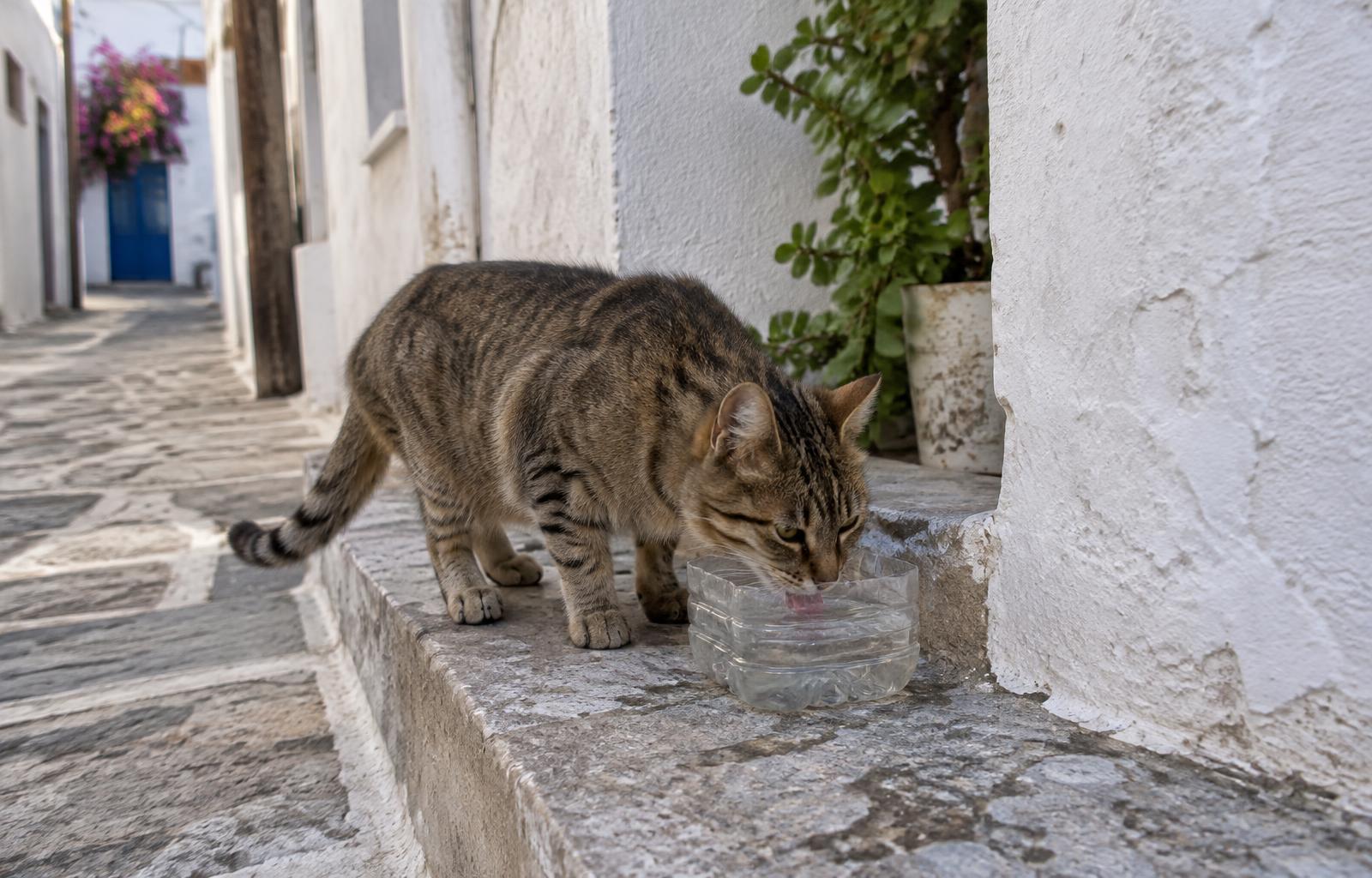
A bowl of water on a street corner says a lot about a neighbourhood. It says someone cares. It also says something else: that care often rests on one person’s goodwill, with no plan, no continuity and no help.
We’re interested in what happens after the good intention. What it takes for care to become steady, safe and shared — by people, communities and the institutions that run a city.
01Coexistence
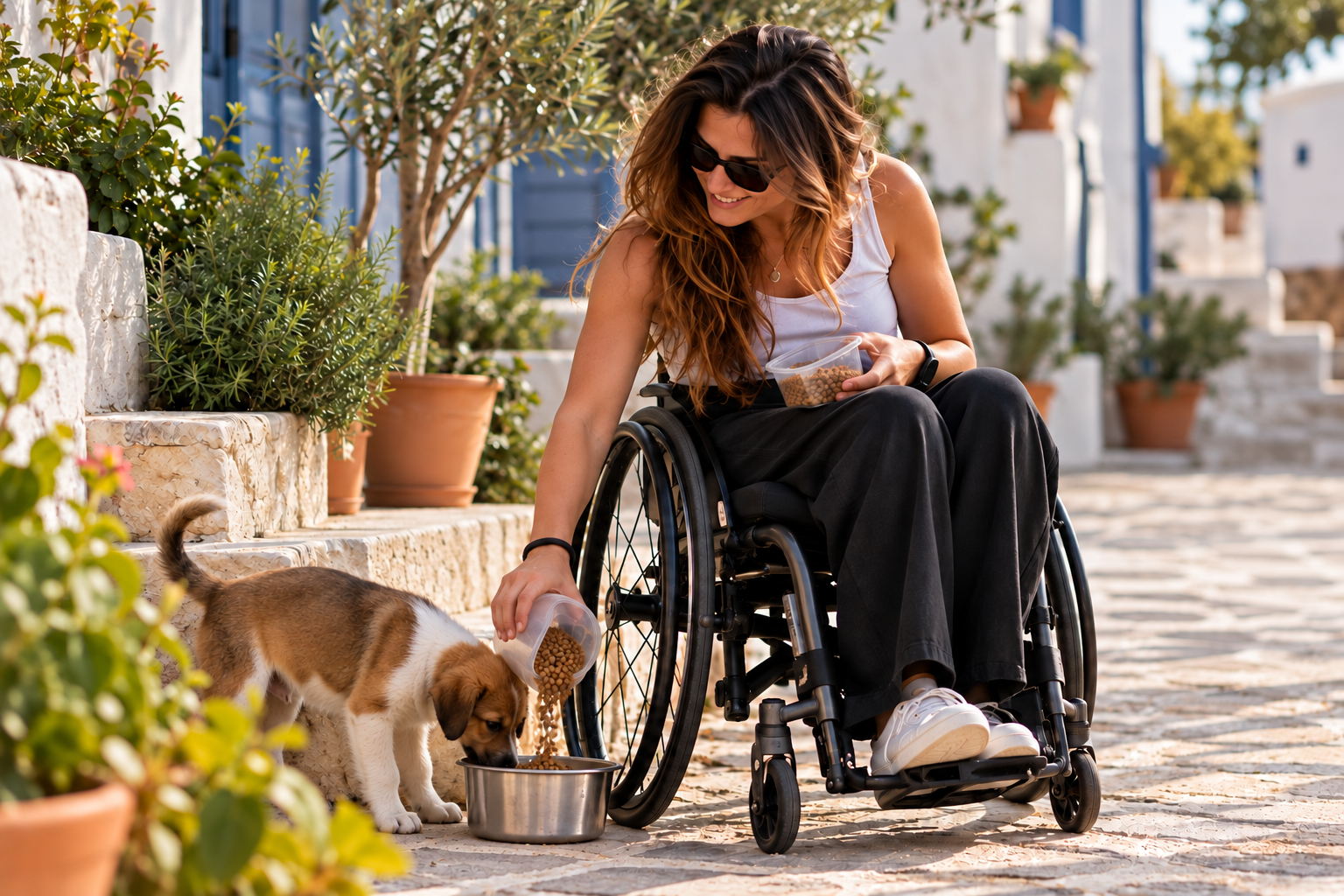
Animals are part of the city
They live in our homes, our courtyards, our parks and on our beaches. Some have a guardian, some don’t. Some we see every morning; others, like birds, hedgehogs or tortoises, go almost unnoticed.
Our relationship with them isn’t managed by feeling alone. It’s managed by responsibility: neutering, adoption instead of abandonment, information, prevention. Less photogenic than a puppy, but they make the biggest difference.
02Infrastructure
From good intentions to the right infrastructure
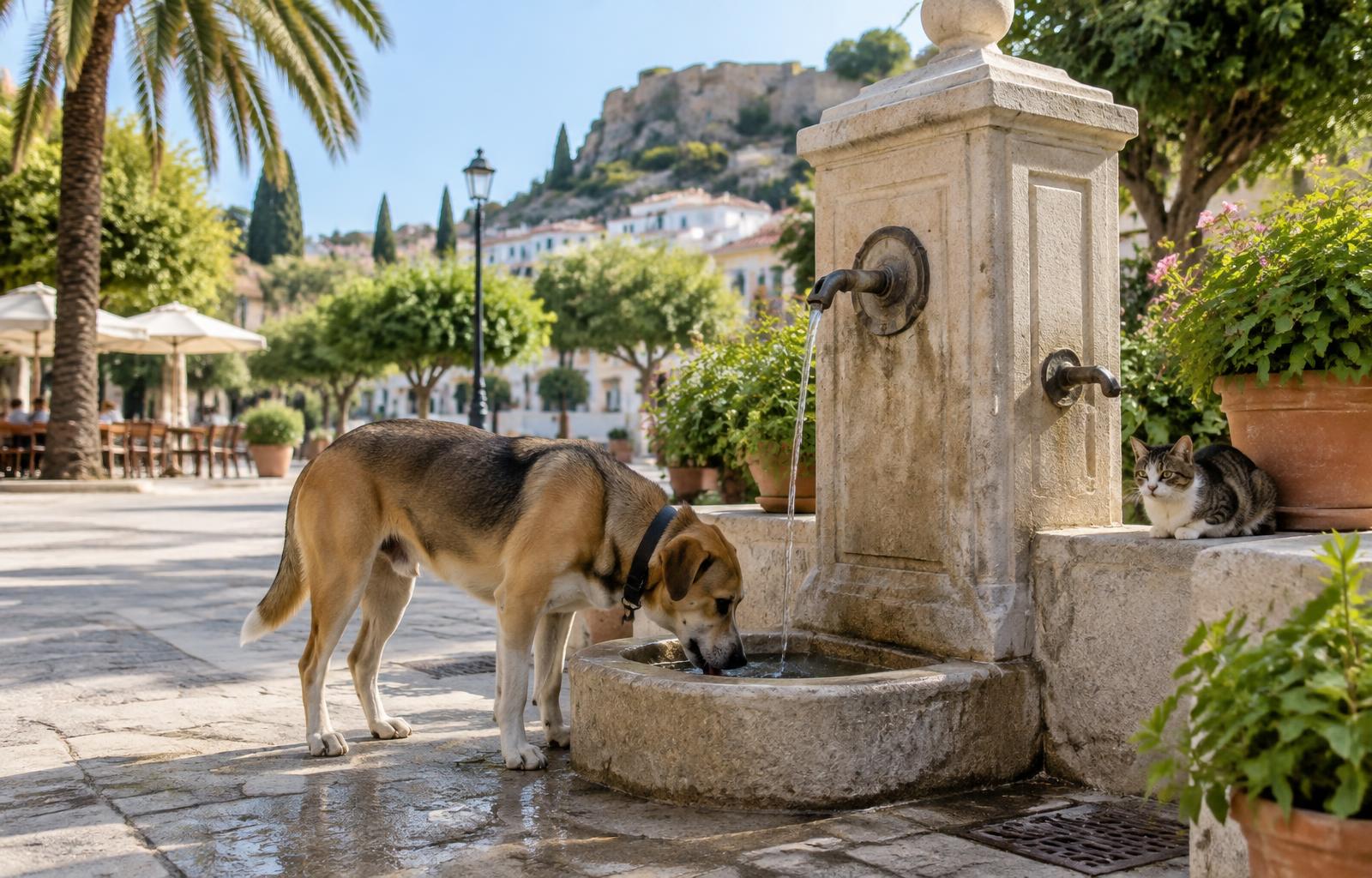
The plastic bowl on the corner is touching. It’s also empty by midday, heats up in the sun, gets knocked over and eventually ends up in the bin. A permanent water station solves much of that — if it’s designed properly.
That means reliable access to water, a spot that doesn’t block pedestrians, shade where possible, controlled refilling, easy cleaning and a stable surface around it. Above all, it means someone responsible for looking after it. Infrastructure without management is just another object in the street.
03Knowledge
Care with knowledge and continuity
Loving animals is a good place to start. Caring for them properly also takes knowledge: veterinary, nutritional, behavioural. That’s why we want to work with vets, animal welfare organisations and people who have been doing this for years.
We are not a veterinary clinic or a shelter. What we can offer is to connect, support and help the efforts that already exist become more stable.
04Public space
Sharing public space
Feeding spots that leave scraps behind, bowls in the middle of the pavement, arguments between neighbours: many of the tensions around city animals are really design problems.
With some thought about where and how care happens, it can sit alongside cleanliness, clear walkways and the upkeep of public space. Better for the animals — and better for those who aren’t yet convinced.
05Participation
Taking part comes in many forms
You don’t need to be an expert to help. You just need to know where your help fits.
- Volunteering
- Donating supplies
- Sharing knowledge and professional experience
- Supporting responsible care
- Working with local initiatives
- Building bridges between residents, professionals and authorities
A city that looks after its animals is, in the end, looking after its own public space.
Want to help?
Tell us what you can offer. We’ll tell you where it could help most.